3 min read
The small business website checklist: 12 things your site needs
A practical checklist for small business websites in Ireland, from the headline and phone layout to speed, SEO basics and privacy.
Whether you're planning a new website or wondering why your current one isn't bringing in enquiries, this checklist covers what matters most for a small business. Go through it with your own site open on your phone. Each point takes a minute to check.
First impressions
1. A headline that says what you do and where
Visitors decide in seconds whether they're in the right place. The first line they read should say what you do and, for a local business, where you do it. "Electrician in Cork, for homes and small shops" tells people more than any slogan.
2. One main action
Decide what you want visitors to do: call, book, or ask for a quote. Make that the most visible button on the page and repeat it further down. When a page offers five different next steps, people often take none.
3. It works properly on phones
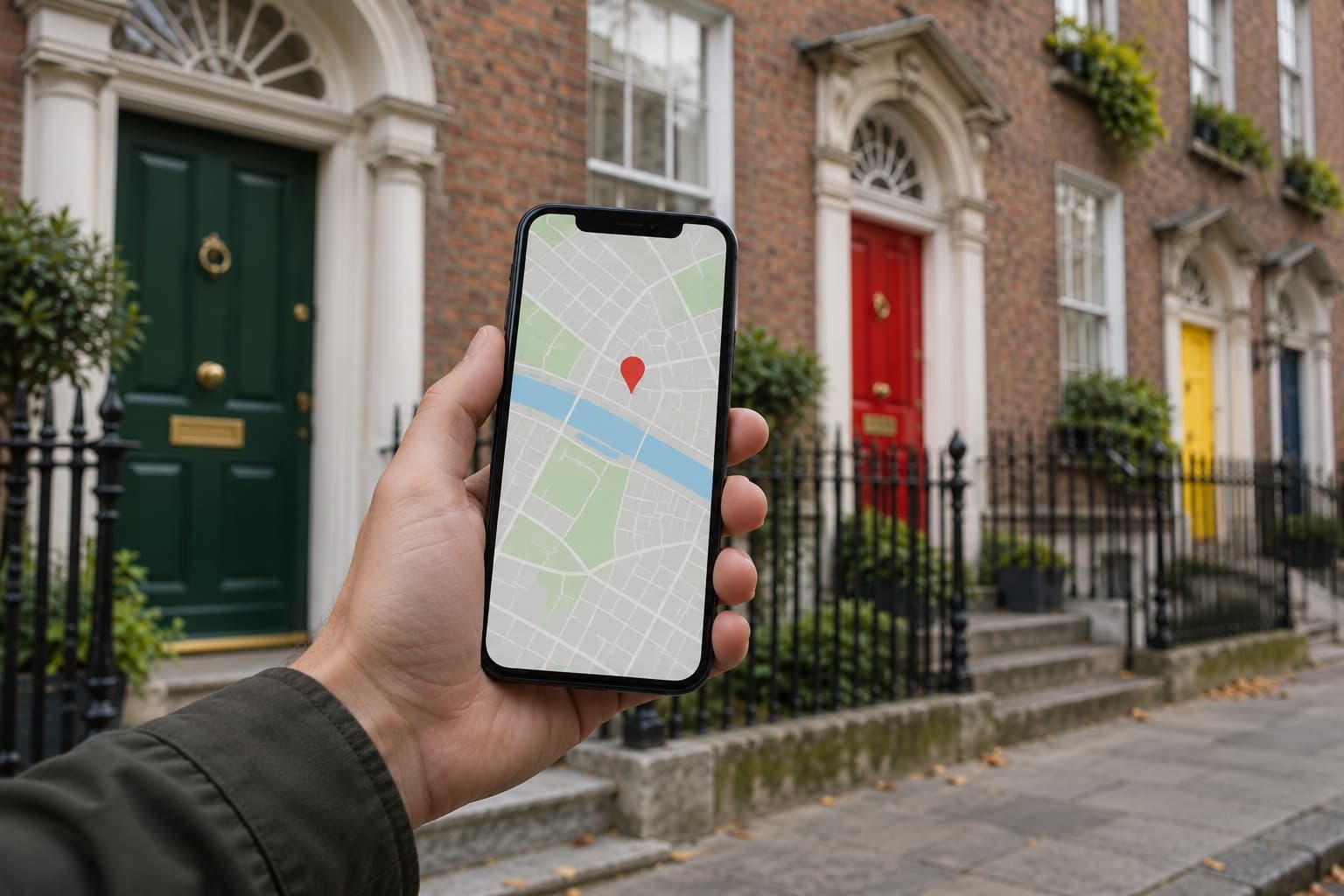
Most of your visitors are probably on a phone. Check that the text is readable without zooming, buttons are big enough to tap, your phone number is tappable and nothing spills off the side of the screen.
4. It loads fast
Slow sites lose visitors, and speed is part of how Google judges a page. Run your homepage through PageSpeed Insights and look at the mobile score. The usual culprits are huge photos, too many plugins and heavy sliders.
Getting in touch
5. Contact details where people expect them
Put your phone number and a contact button at the top of the page, and the full details in the footer: phone, email, opening hours and your address with Eircode if customers come to you. A short contact form helps people who'd rather not call.
Trust
6. Real photos
Photos of you, your team, your premises and your work make a small business feel human and trustworthy. They don't need to be professional, just sharp, bright and honest.
7. Reviews and examples of your work
Quote a few real reviews with the customer's name, and show finished jobs, before and after photos or a short list of clients. If your Google reviews are strong, link to them.
8. Clear services, and how pricing works
List what you offer in plain language. If you can publish prices or "from" prices, do. If every job is different, explain how quoting works and how quickly people can expect one.
Under the hood
9. A title and description for every page
Each page needs its own title and meta description. They're what people see in Google results, so they should read like a small advert: what the page is about, where, and why click.
10. Headings that make sense
Each page should have one main heading (the H1) that says what the page is about, with clear subheadings under it. It helps visitors skim and it helps Google understand the page.
11. Secure and connected to Google
Your site should load on "https" with a padlock, and it should be connected to Google Search Console with a sitemap submitted. Search Console is free and shows which searches bring people to your site and whether Google can read all your pages.
12. Privacy done properly
If your site collects names and emails through a form, you need a short privacy notice explaining what you collect and why. If you use analytics or advertising cookies, Irish and EU rules mean you need visitors' consent first. The Data Protection Commission publishes clear guidance on cookies.
How did your site do?
If you ticked ten or more, your website is in good shape and small tweaks will do. If you ticked fewer than seven, a focused redesign will usually do more than another round of patches.
Want a second opinion? Send us your website and tell us what you'd like it to do better.